
Relocation is a common part of modern life, whether it’s moving within the same city or to a completely different location. However, not all moving services are the same. Understanding the difference between local and long-distance moving services is essential to choose the right option for your needs and budget.
Many people assume that all packers and movers offer similar services, but there are significant differences in pricing, planning, logistics, and execution. Knowing these differences can help you make informed decisions and avoid unnecessary complications during your move.
packers and movers mannargudi
What Are Local Moving Services?
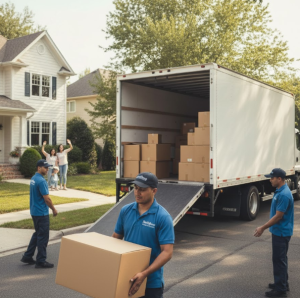
Local moving services refer to relocations within the same city or a short distance, typically within 50–100 kilometers. These moves are usually completed within a single day.
Local movers focus on quick and efficient relocation. Since the distance is shorter, the process involves minimal planning compared to long-distance moves.
These services are ideal for shifting homes, apartments, or offices within the same city.
What Are Long-Distance Moving Services?
Long-distance moving services involve relocating to another city or state, often covering hundreds of kilometers. These moves require detailed planning, coordination, and logistics.
Unlike local moves, long-distance relocations may take one or more days depending on the distance and route. They involve careful handling, secure packing, and proper tracking systems.
These services are suitable for intercity or interstate relocations.
Key Difference Between Local and Long-Distance Moving Services
Understanding the core differences helps you choose the right service based on your requirements.
Distance and Coverage
The primary difference lies in the distance covered. Local moving services handle short-distance relocations within the same city, while long-distance moving services cover intercity or interstate moves.
Long-distance moves require route planning, fuel management, and coordination across locations, making them more complex.
Cost Structure
Cost is another major factor that differentiates these services. Local moving charges are usually based on hourly rates or the number of laborers required.
In contrast, long-distance moving costs depend on factors such as distance, weight or volume of goods, fuel charges, tolls, and additional services.
Long-distance moves are generally more expensive due to increased logistics and transportation requirements.
Time Required
Local moves are typically completed within a few hours or a single day. Since the destination is nearby, there is minimal travel time.
Long-distance moves, however, may take several days depending on the distance and route conditions. Delivery timelines are usually pre-planned and communicated in advance.
Packing and Handling
Packing requirements differ significantly between the two. Local moves may require basic packing since items are transported over a short distance.
Long-distance moves demand high-quality packing materials and techniques to ensure safety during extended travel. Fragile and valuable items receive extra protection.
Professional movers use advanced packing methods for long-distance relocations to prevent damage.
Transportation and Logistics
Local moving services typically use smaller vehicles such as mini trucks or vans. These are sufficient for short-distance transportation.
Long-distance moves require larger vehicles and sometimes specialized carriers. Logistics planning becomes more complex, including route optimization and scheduling.
Some long-distance movers also offer tracking systems so you can monitor your shipment.
Insurance Coverage
Insurance is optional for local moves but highly recommended for long-distance relocations.
Since long-distance moves involve higher risks due to extended travel, most professional movers provide insurance coverage for goods.
This ensures financial protection in case of damage or loss during transit.
Documentation and Formalities
Local moving services usually involve minimal documentation. A basic invoice or receipt is often sufficient.
Long-distance moving services require more documentation, including:
- Bill of lading
- Insurance papers
- Detailed inventory list
- Service agreement
Proper documentation ensures transparency and legal protection.
Risk and Safety Factors
Local moves carry relatively lower risk due to shorter travel distance. However, improper handling can still cause damage.
Long-distance moves have higher risks due to factors like road conditions, weather, and extended transit time. Professional movers take extra precautions to ensure safety.
Flexibility and Scheduling
Local moving services offer greater flexibility. You can often schedule your move on short notice and complete it quickly.
Long-distance moving requires advance booking and proper scheduling. Delivery timelines are fixed, and delays may occur due to external factors.
Storage and Warehousing
Storage services are rarely needed for local moves. Most relocations are completed on the same day.
In long-distance moving, storage and warehousing services are often required, especially if there is a gap between moving out and moving in.
Many movers provide secure storage facilities for such situations.
Which One Should You Choose?
Choosing between local and long-distance moving services depends on your relocation needs.
If you are moving within the same city, local movers are the best option due to their speed and cost-effectiveness.
For intercity or interstate relocations, long-distance movers are more suitable as they offer better planning, safety, and logistics support.
Understanding your requirements helps you select the right service and avoid unnecessary expenses.
Tips for Choosing the Right Moving Service
Regardless of the type of move, selecting a reliable moving company is crucial. Always check reviews, verify credentials, and compare quotes before making a decision.
Ensure that the company provides transparent pricing and proper documentation. For long-distance moves, prioritize companies that offer insurance and tracking facilities.
Planning ahead and choosing the right movers can make your relocation smooth and stress-free.
Difference Between Local and Long-Distance Moving Services
Understanding the difference between local and long-distance moving services is essential for a successful relocation. While local moves are quick and cost-effective, long-distance moves require detailed planning and higher investment.
Each type of service has its own advantages and challenges. By choosing the right option based on your needs, you can ensure a smooth and efficient moving experience.
Proper planning, professional support, and informed decisions will help you complete your move without stress or complications.
FAQs
1. What is the main difference between local and long-distance moving?
Local moving is within the same city, while long-distance moving involves relocation to another city or state.
2. Are long-distance moves more expensive than local moves?
Yes, long-distance moves are generally more expensive due to higher transportation and logistics costs.
3. Do both services include packing?
Yes, both local and long-distance movers offer packing services, but long-distance moves require more advanced packing.
4. Is insurance necessary for local moving?
It is optional for local moves but highly recommended for long-distance relocations.
5. How do I choose the right moving service?
Choose based on distance, budget, service requirements, and company reputation.